Between podcasts, on-demand documentaries, and news stories from right here in Florida, you may have heard a lot about wrongfully convicted prisoners getting new trials. Most often these cases involve advancements in scientific testing, including DNA evidence. One of the most famous examples in Florida is the Wilton Dedge case. Dedge was wrongfully convicted of rape and ended up spending 22 years in prison for a crime he did not commit; however, thanks to new DNA evidence, he recently gained his freedom. The Sun Sentinel reports he is now seeking $4.9 million in damages from the state. Given the high profile coverage of these types of cases, it may seem like new trials are commonly granted. In reality, they rarely occur. The New York Times reports that in 2015, a record-setting 149 people in the United States were found falsely convicted of a crime. Yet 149 people out of the thousands who stand trial each year is an incredibly small percentage. Even so, it can happen.
Getting a New Trial Isn’t Easy
If new evidence has come to light in your case, it may be possible to get a new trial if it fits a very specific set of rules that warrant such action. Therefore, if there is new evidence that could help prove your innocence after a conviction, contact an experienced criminal defense lawyer as soon as possible so that they can help determine if the evidence meets the requirements.Requirements to Grant a New Trial
Under Florida law, new evidence must meet the following requirements for prompting a new trial:- The evidence was not known at the time of the original trial;
- The evidence is likely to have changed the verdict of the case; and
- The defendant was reasonably unable to produce the evidence during the trial.
Is There New Evidence in Your Case?
If you believe there is new evidence in your case that could justify a new trial, contact Khonsari Law Group today. Our legal team is dedicated to helping St. Petersburg residents protect their rights and get fair treatment under Florida law. Call us at (727) 269-5300 or online to schedule a free consultation and learn if we may be able to help you.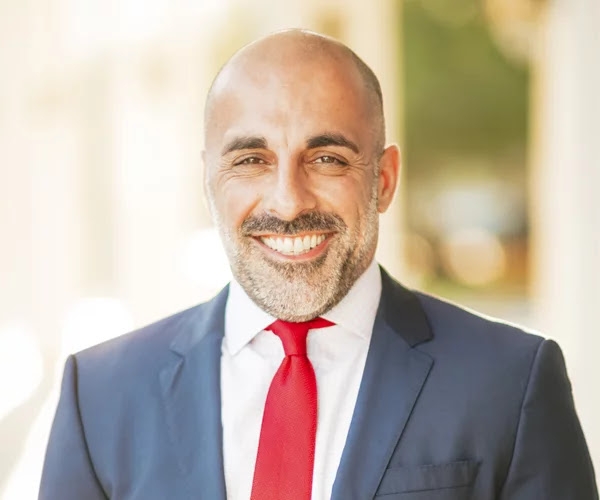
Rohom Khonsari
Lawyer
Mr. Khonsari founded and is principal/partner of the Khonsari Law Group. With experience in both criminal and civil law, Mr. Khonsari built the law firm with the standard of doing everything possible for each and every client. With over forty jury trials, he has used his trial advocacy in successfully representing clients charged in criminal court and also those who have cases in the civil realm.
Author's Bio