

February 5, 2018
The right to bail is a critical, early step in the majority of criminal proceedings. Under Florida law, an individual arrested for a crime can apply to be released on bail, also known as a pre-trial release.
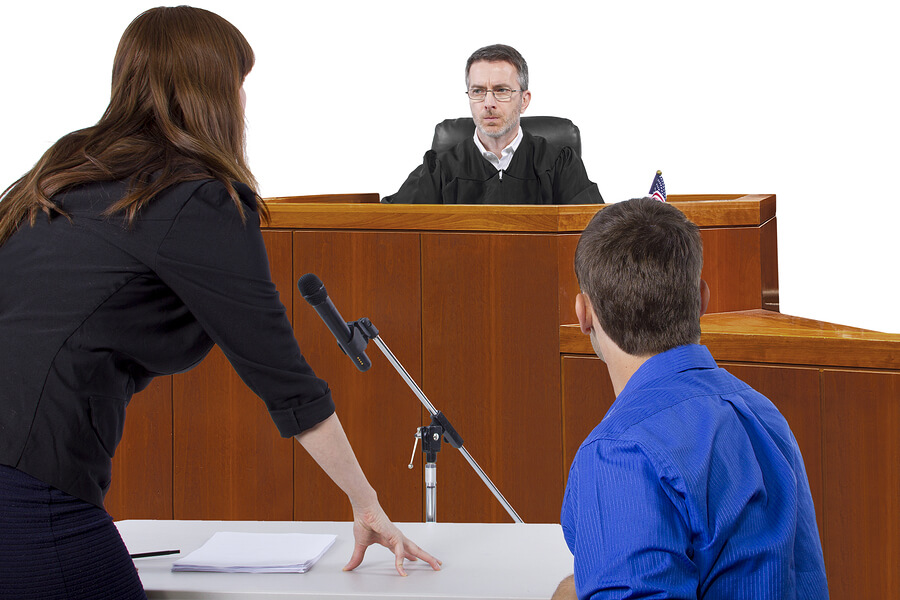
The vast majority of criminal defendants are released on bail. In order for an individual to secure his or her release, he or she must first file a Motion for Bail with the court. The court will then hold a bail hearing in order to determine whether or not the defendant should be released on bail. The right to a bail hearing is afforded by both rule and statute. The bail hearing is typically heard within three hours of filing with the State Attorney’s Office.
The primary purpose of a bail hearing is to determine that the defendant will appear at all court proceedings. The hearing’s secondary purpose is to ascertain whether or not the community will remain protected from additional crimes by the defendant.
A court will look at all reasonable conditions before ruling in a bail hearing. A court will closely evaluate the nature and body of the crime. It will also account for any additional aggravating factors in making its determination. A few factors that the court will consider to reach its decision include:
- The nature and circumstances of the offense charged
- The weight of the evidence
- The defendant’s family ties to the community
- The defendant’s previous history of convictions
- The defendant’s past and present conduct
- The risk for the defendant to flee the jurisdiction in order to avoid prosecution
- The source of funds to post bond
- The risk of danger the defendant may pose to victims of the arresting crime
- Any other facts the court considers to be relevant
Some factors will affect a judge’s decision more than others. For example, a defendant that maintains close ties to a gang and gang violence may find greater difficulty securing bail. Although a judge must make a determination a defendant’s Motion for Bail, the judge need not grant bail.
Individuals charged with certain crimes cannot secure bail. Those cases include:
- Crimes punishable by death or life in prison
- Crimes committed in violation of probation
A defendant’s pre-trial release will be accompanied by certain conditions and restrictions. Before a defendant is granted pre-trial release, he or she will have to post a monetary amount known as bond. The amount of bond should be reasonable with relation to the crime. Whenever it is not, the defendant may file a Motion to Reduce Bond. The bond, however, must be posted before the defendant is released. Additionally, the defendant may be required to agree to additional conditions. The defendant may be subject to no-contact provisions, electronic monitoring, or any combination of other conditions.
Failure to adhere to the conditions of your release may result not only in forfeiture of the bond but also prison time.
Contact a St. Petersburg Criminal Defense Attorney
Florida law entitles most criminal defendants to pre-trial release. An experienced criminal defense attorney can assist you in navigating the complexities of pre-trial release. The legal team at Khonsari Law Group is determined to help you or your loved ones during these difficult times. Obtain our help by calling (727) 269-5300 or writing us online today.