A fundamental rule of criminal trials is that witnesses can only testify about what they saw or heard. When witnesses try to testify to second-hand information, they may be offering hearsay, which is generally prohibited. A skilled criminal defense attorney should lodge an appropriate objection asking the judge to exclude any hearsay testimony.
Hearsay Defined
Hearsay is defined as an out-of-court statement offered to prove the substance of what is asserted. This might sound like a technical definition but it’s easier to illustrate.
Imagine a defendant is on trial for hitting a pedestrian. A witness saw the accident and identified the car as a four-door blue Ford Focus. She tells her mother this information and the mother is then called into court to testify that a blue Ford Focus hit the pedestrian.
In this situation, the mother is offering hearsay testimony because she didn’t personally observe the accident. Instead, she heard second-hand information from her daughter that she is introducing at trial to prove that the driver of the blue Ford Focus hit the victim.
The Problem With Hearsay
Florida courts prohibit hearsay because of concerns over its reliability. In the example above, the witness who saw the blue Ford Focus should come into court herself and offer testimony so that she can be cross-examined. It might turn out that she was confused or didn’t really see the accident, but the jury will never know this if the witness doesn’t testify herself. If courts let hearsay testimony in, then witnesses could be insulated from cross-examination.
Not All Hearsay Is Prohibited
In some situations, concerns over trustworthiness are reduced and out-of-court statements can be introduced as evidence. Consider the following exceptions to the hearsay rule:
- An excited utterance, in which a witness blurts out information related to a startling event.
- A recorded recollection, in which a person writes down information shortly after an event.
- Records of regularly conducted business activity.
- Records of vital statistics, such as birth certificates.
- Former testimony given under oath (in some situations).
Another large exception involves statements a party to the lawsuit makes. Basically, anything a criminal defendant says can be introduced in court. For example, if you tell your friend you drove a getaway car in a robbery, your friend can come in and testify to that information.
Objecting to Hearsay
Hearsay testimony can sometimes swing a jury to convict a defendant, so you must employ an experienced criminal defense attorney who knows how to object. Typically, your lawyer must object promptly after the hearsay is given, and he must tell the judge that the testimony is hearsay. If your lawyer raises a proper objection, then it is preserved for consideration on appeal.
Contact a St. Petersburg Criminal Defense Lawyer
Trials are fast-moving, and sometimes hearsay evidence can slip in if your lawyer isn’t paying close attention or is inexperienced. Rohom Khonsari, the founder of Khonsari Law Group, is a former prosecutor who has managed countless trials. Call us today at (727) 269-5300 or fill out our online contact form. All consultations are free and confidential.
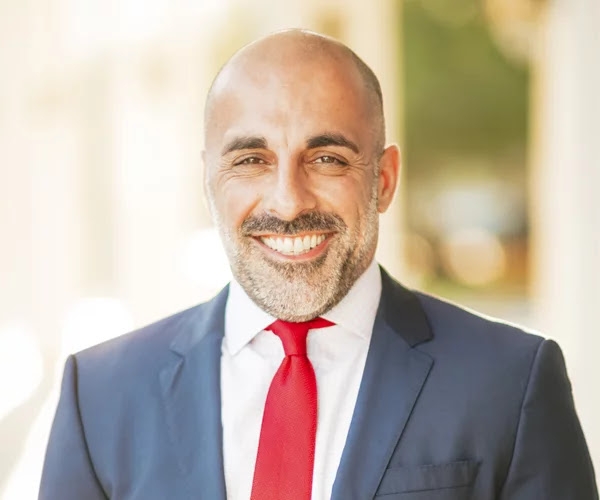
Rohom Khonsari
Lawyer
Mr. Khonsari founded and is principal/partner of the Khonsari Law Group. With experience in both criminal and civil law, Mr. Khonsari built the law firm with the standard of doing everything possible for each and every client. With over forty jury trials, he has used his trial advocacy in successfully representing clients charged in criminal court and also those who have cases in the civil realm.
Author's Bio